maya aztec and inca civilizations pdf
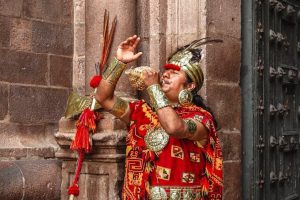
Mesoamerican and Andean societies‚ including the Maya‚ Aztec‚ and Inca‚ represent remarkable achievements in pre-Columbian America‚ documented in numerous PDF resources․
Overview of Mesoamerican and Andean Societies
Maya‚ Aztec‚ and Inca civilizations flourished as complex societies‚ each leaving a distinct cultural imprint․ Accessible PDF documents detail their advancements in agriculture‚ governance‚ and religion․ These societies‚ though geographically separate – Mesoamerica and the Andes – shared traits like sophisticated calendrical systems and intricate social hierarchies‚ offering valuable insights into pre-Columbian history․
Geographical Locations
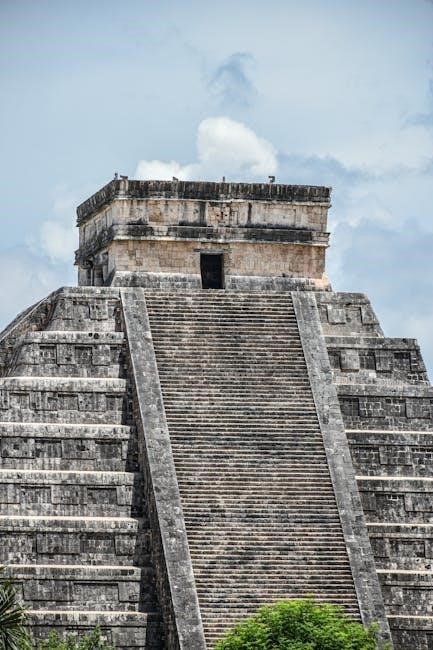
PDF resources pinpoint the Maya in Central America‚ the Aztec in central Mexico‚ and the Inca within the Andes Mountains of South America‚ shaping their development․
Maya Civilization: Central America
PDF documents detail the Maya flourishing in present-day Mexico‚ Guatemala‚ Belize‚ Honduras‚ and El Salvador․ Their civilization spanned diverse environments – rainforests to highlands․ Resources highlight advanced city planning‚ intricate hieroglyphic writing‚ and a sophisticated understanding of astronomy‚ all within this Central American locale․
Aztec Civilization: Central Mexico
PDF analyses reveal the Aztec empire centered in the Valley of Mexico‚ modern-day Mexico City․ They built Tenochtitlan‚ a magnificent island city․ Resources emphasize their complex social structure‚ tribute system‚ and impressive engineering feats‚ including causeways and aqueducts‚ all defining their Central Mexican dominance․
Inca Civilization: Andes Mountains‚ South America
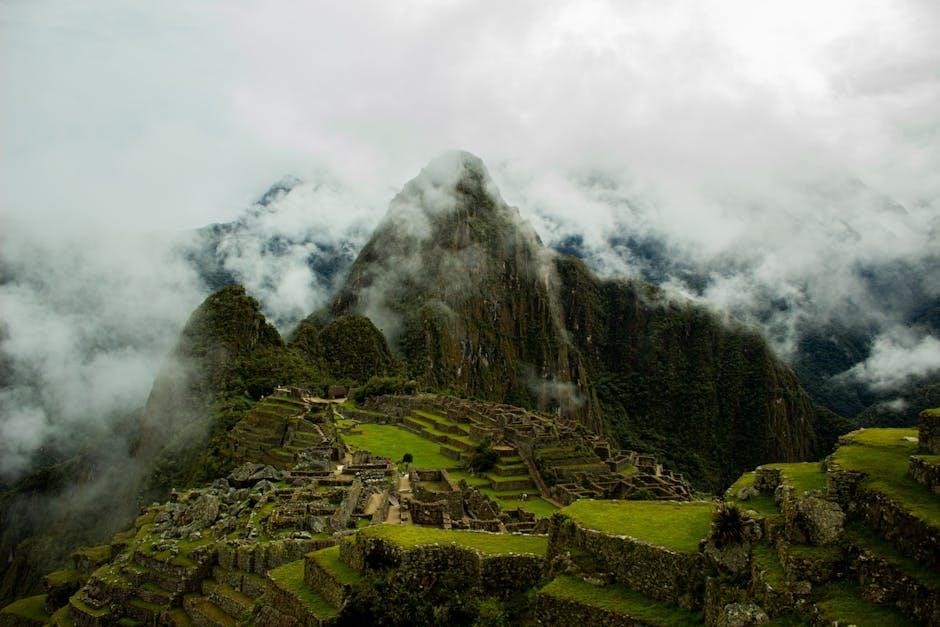
PDF documents detail the Inca empire’s location spanning the Andes Mountains in South America․ They established a vast network of roads and bridges‚ showcasing advanced engineering․ Resources highlight their centralized bureaucracy‚ agricultural innovations like terrace farming‚ and sophisticated administrative systems within this challenging terrain․
Timeline and Historical Periods
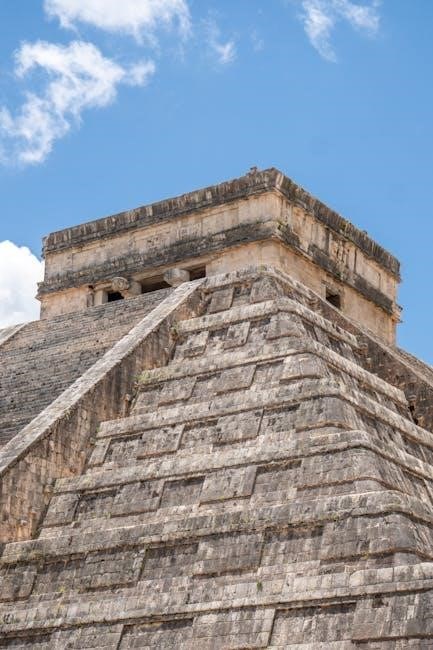
PDF resources outline distinct periods for each civilization: Maya (Preclassic‚ Classic‚ Postclassic)‚ Aztec (1345-1521 CE)‚ and Inca (1438-1533 CE)‚ charting their development․
Maya Civilization: Preclassic‚ Classic‚ and Postclassic Periods
PDF documents detail the Maya timeline: Preclassic (2000 BCE – 250 CE) saw foundational development‚ the Classic (250 – 900 CE) marked peak cultural achievements‚ and the Postclassic (900 – 1697 CE) experienced shifts and eventual Spanish contact․ These periods‚ extensively studied‚ reveal a complex history;
Aztec Civilization: 1345 – 1521 CE
PDF resources illustrate the Aztec period‚ beginning in 1345 with Tenochtitlan’s founding‚ culminating in 1521 with the Spanish conquest․ This era witnessed rapid expansion‚ a tribute system‚ and complex religious practices‚ all thoroughly documented for historical analysis and understanding․
Inca Civilization: 1438 – 1533 CE
PDF analyses detail the Inca’s rise from 1438‚ establishing a vast empire through conquest and sophisticated administration‚ ending with Pizarro’s arrival in 1533․ Resources highlight their road systems‚ terrace farming‚ and unique societal structure‚ offering comprehensive historical insight․
Political Structures and Governance
PDF documents reveal diverse governance: Maya city-states‚ the centralized Aztec empire‚ and the Inca’s highly bureaucratic system‚ each uniquely structured for control․
Maya Political Organization: City-States
PDF analyses demonstrate the Maya lacked a unified empire‚ instead organizing into independent city-states․ Each city‚ like Tikal or Palenque‚ possessed its own ruler and government‚ often warring with neighbors․ These polities shared cultural traits but maintained political autonomy‚ creating a fragmented‚ yet vibrant‚ landscape․
Aztec Empire: Centralized Imperial Rule
PDF resources detail the Aztec’s highly centralized empire‚ originating in Tenochtitlan․ A single ruler‚ the Tlatoani‚ held supreme power‚ supported by a noble class and bureaucracy․ This structure enabled efficient tribute collection from conquered territories‚ fueling expansion and maintaining control‚ as documented in historical analyses․
Inca Empire: Highly Centralized Bureaucracy
PDF studies reveal the Inca Empire’s exceptionally organized bureaucracy‚ overseen by the Sapa Inca․ A complex network of officials managed resources‚ labor‚ and infrastructure across vast distances․ This centralized system‚ utilizing a decimal structure‚ ensured efficient administration and control‚ detailed in numerous academic sources․
Economic Systems
PDF analyses demonstrate diverse economic approaches: Maya trade & agriculture‚ Aztec tribute & markets‚ and Inca reciprocity & redistribution‚ shaping their societies․
Maya Economy: Agriculture and Trade
PDF resources detail the Maya economy’s foundation in intensive agriculture‚ utilizing techniques like slash-and-burn and raised fields․ Extensive trade networks connected city-states‚ exchanging goods like obsidian‚ jade‚ and textiles․ This complex system‚ lacking standardized currency‚ relied heavily on barter and specialized labor‚ fostering economic interdependence․
Aztec Economy: Tribute System and Markets
PDF analyses reveal the Aztec economy centered on a robust tribute system‚ demanding goods and labor from conquered territories․ Vibrant markets‚ like Tlatelolco‚ facilitated extensive trade with diverse products․ While lacking coinage‚ cacao beans served as a medium of exchange‚ supporting a complex commercial network․
Inca Economy: Reciprocity and Redistribution
PDF resources detail the Inca economy’s foundation on reciprocity and redistribution‚ managed by the state․ Labor obligations‚ rather than currency‚ fueled production․ Goods were collected and redistributed‚ ensuring resource access for all․ This system‚ alongside agricultural surplus‚ sustained a vast empire‚ documented in scholarly articles․
Agricultural Practices
PDF analyses reveal diverse farming techniques: Maya slash-and-burn‚ Aztec chinampas‚ and Inca terrace farming‚ all maximizing yields within their unique environments․
Maya Agriculture: Slash-and-Burn and Raised Fields
PDF resources detail Maya agricultural ingenuity‚ employing slash-and-burn methods to clear forests for planting‚ alongside sophisticated raised field systems․ These campos elevados‚ particularly in wetlands‚ enhanced drainage and fertility‚ boosting crop production․ This combination sustained a dense population‚ demonstrating advanced environmental adaptation and resource management․
Aztec Agriculture: Chinampas (Floating Gardens)
PDF analyses reveal the Aztecs’ innovative chinampas – “floating gardens” – in Lake Texcoco․ These artificial islands‚ created from mud and vegetation‚ provided fertile land for intensive agriculture․ This ingenious system dramatically increased food production‚ supporting the large Aztec population and complex urban centers‚ as documented in historical resources․
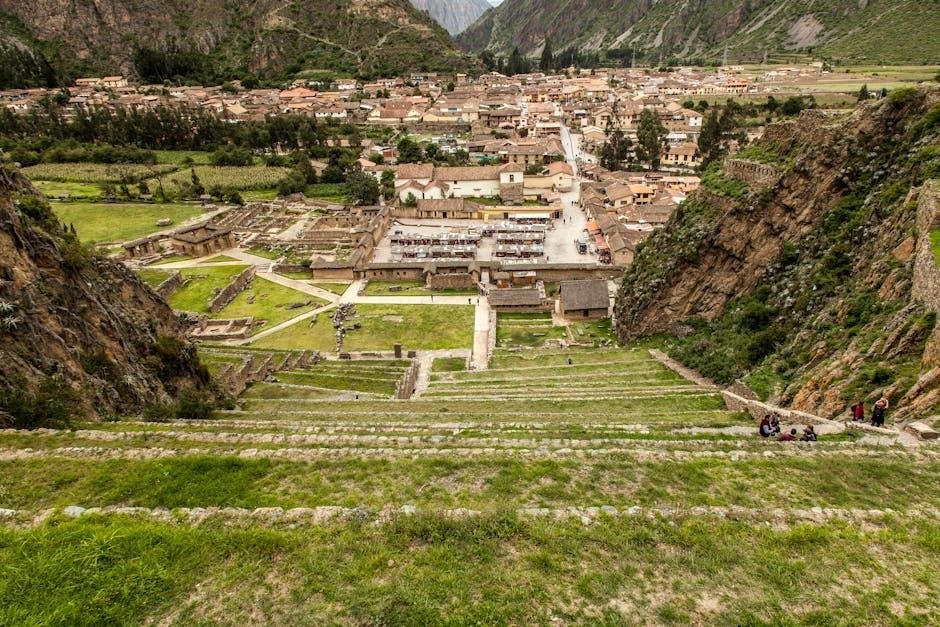
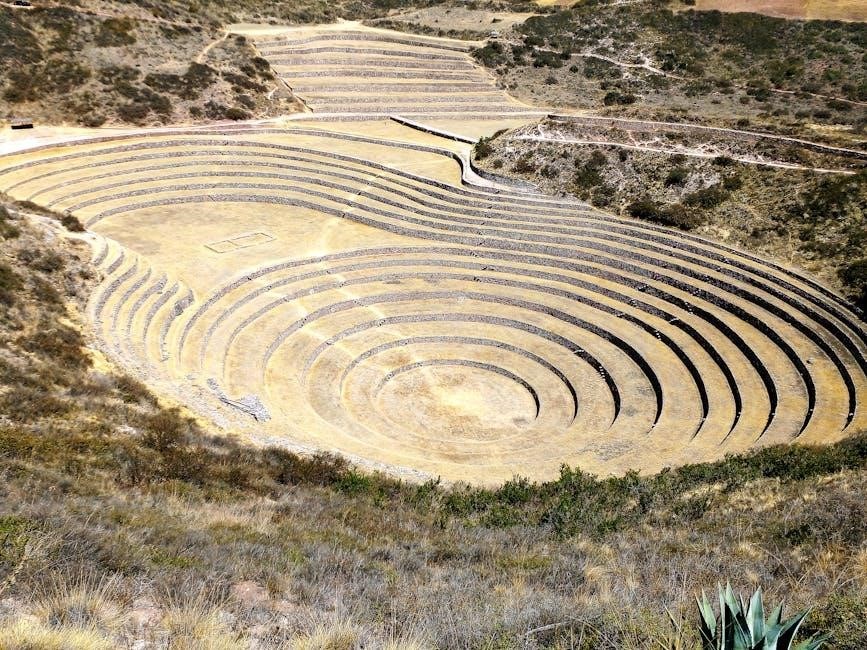
Inca Agriculture: Terrace Farming and Irrigation
PDF studies detail the Inca’s mastery of terrace farming along the steep Andean slopes․ Coupled with sophisticated irrigation systems‚ these terraces maximized arable land and prevented erosion․ This agricultural prowess‚ crucial for sustaining their empire‚ is extensively documented in academic resources and comparative civilization PDFs․
Religious Beliefs and Practices
PDF analyses reveal polytheistic systems; Maya cosmology‚ Aztec sun worship and human sacrifice‚ and Inca veneration of Inti‚ shaped their societies and are detailed within․
Maya Religion: Polytheistic with Complex Cosmology
PDF sources illustrate a highly intricate Maya belief system featuring a vast pantheon of gods and goddesses influencing all aspects of life․ Their cosmology included cyclical views of creation and destruction‚ detailed in the Popol Vuh․
Rituals‚ including offerings and ceremonies‚ aimed to maintain cosmic balance and appease deities‚ with priests playing a crucial role in interpreting the will of the gods․
Aztec Religion: Human Sacrifice and Sun Worship
PDF documents detail Aztec religion centered on maintaining the sun’s energy through frequent human sacrifice‚ believing it vital for cosmic continuation․ Huitzilopochtli‚ the sun and war god‚ received significant offerings․
Complex rituals and a priestly class governed religious practices‚ reflecting a worldview deeply intertwined with warfare‚ agriculture‚ and the cyclical nature of time․
Inca Religion: Inti (Sun God) and Ancestor Veneration
PDF resources illustrate Inca religion prominently featured Inti‚ the sun god‚ considered a divine ancestor․ Ancestor veneration was crucial‚ with mummified ancestors playing roles in daily life and rituals․
Priests conducted ceremonies to ensure agricultural fertility and maintain cosmic order‚ reflecting a polytheistic system deeply connected to nature and lineage․
Social Hierarchy and Class Structure
PDF analyses reveal distinct hierarchies: Maya (kings‚ nobles‚ commoners)‚ Aztec (emperors‚ warriors‚ slaves)‚ and Inca (Sapa Inca‚ nobles‚ commoners)․
Maya Social Structure: Kings‚ Nobles‚ Priests‚ and Commoners
PDF resources detail Maya society as a tiered structure‚ with k’uhul ajaw (divine kings) at the apex‚ followed by nobles and priests wielding significant power․ Below them were skilled artisans and merchants‚ supporting the elite‚ while the majority comprised commoners – farmers‚ laborers‚ and slaves – forming the base of this complex social pyramid․
Aztec Social Structure: Emperors‚ Nobles‚ Warriors‚ Merchants‚ and Slaves
PDF analyses reveal the Aztec social hierarchy‚ headed by the Tlatoani (emperor)․ Nobles (pipiltin) held administrative roles‚ while esteemed warriors (yāōtl) gained status through capture․ Merchants (pochteca) facilitated trade‚ and at the bottom‚ enslaved individuals – often war captives – comprised a significant portion of the population․
Inca Social Structure: Sapa Inca‚ Nobles‚ Commoners‚ and Yanaconas
PDF resources detail the Inca’s rigid social system‚ with the Sapa Inca – divine emperor – at its apex․ Nobles enjoyed privileges‚ while commoners (hatun runa) engaged in agriculture and labor․ Yanaconas‚ a class of servants‚ occupied the lowest stratum‚ performing various duties for the state․
Technological Advancements
PDF analyses reveal the Maya’s calendar and writing‚ Aztec engineering‚ and Inca innovations like roads and the quipu – a knotted-string recording device․
Maya Technology: Calendar System‚ Writing System
PDF resources detail the Maya’s sophisticated calendar systems‚ including the Long Count‚ and their hieroglyphic writing—one of the few fully developed writing systems of the pre-Columbian Americas․ These advancements enabled detailed astronomical observations and historical record-keeping‚ showcasing intellectual prowess․
Aztec Technology: Engineering‚ Architecture‚ and Weaponry
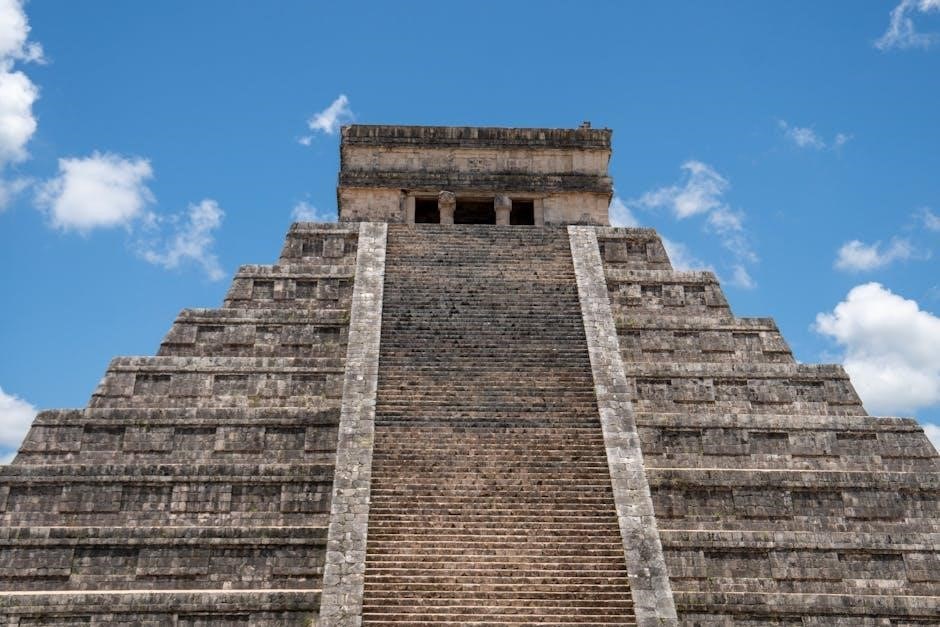
PDF documents illustrate Aztec engineering feats‚ like their capital Tenochtitlan‚ built on a lake‚ and impressive architecture․ Their weaponry‚ including the macuahuitl‚ a wooden club with obsidian blades‚ was formidable․ These technologies supported their empire and military dominance‚ as detailed in available resources․
Inca Technology: Road System‚ Suspension Bridges‚ and Quipu
PDF analyses reveal the Inca’s sophisticated road system‚ facilitating communication and control across their vast empire․ They expertly constructed suspension bridges from rope‚ overcoming challenging Andean terrain․ The quipu‚ a knotted-string device‚ served as a record-keeping system‚ detailed in scholarly PDFs․
Decline and Fall of Civilizations
PDF sources detail how environmental issues‚ warfare‚ and Spanish Conquest led to the decline of the Maya‚ Aztec‚ and Inca civilizations‚ altering their trajectories․
Maya Decline: Environmental Factors and Warfare
PDF analyses suggest the Maya civilization’s decline stemmed from prolonged drought‚ deforestation‚ and intensified warfare between competing city-states․ These ecological and political stresses‚ compounded over centuries‚ destabilized their complex societal structures․ Resource depletion and constant conflict ultimately contributed to societal fragmentation and abandonment of major centers․
Aztec Fall: Spanish Conquest by Hernán Cortés
PDF historical accounts detail the Aztec Empire’s downfall following Hernán Cortés’ arrival in 1519․ Utilizing superior weaponry‚ alliances with rival indigenous groups‚ and devastating diseases‚ Cortés conquered Tenochtitlan in 1521․ This marked the end of Aztec rule and the beginning of Spanish colonization‚ extensively documented in available resources․
Inca Fall: Spanish Conquest by Francisco Pizarro
PDF sources illustrate the Inca Empire’s collapse after Francisco Pizarro’s arrival in 1532․ Exploiting a civil war and utilizing advanced weaponry‚ Pizarro captured and executed the Sapa Inca‚ Atahualpa․ This led to the fall of Cusco in 1533‚ marking the end of Inca sovereignty and Spanish dominance‚ detailed in historical texts․
Cultural Contributions
PDF documents reveal lasting legacies: Maya mathematics and astronomy‚ Aztec architecture and poetry‚ and Inca engineering and administrative prowess profoundly shaped their worlds․
Maya Contributions: Mathematics‚ Astronomy‚ Art
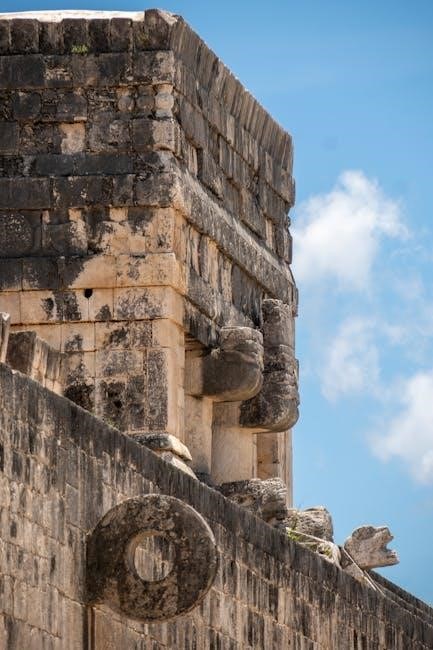
PDF analyses demonstrate the Maya’s sophisticated base-20 numerical system‚ enabling complex calculations․ Their astronomical observations‚ meticulously recorded‚ predicted eclipses and charted celestial movements with remarkable accuracy․ Furthermore‚ Maya art—sculptures‚ murals‚ and pottery—reveals intricate narratives and a deep understanding of their cosmology‚ showcasing exceptional artistic skill․
Aztec Contributions: Architecture‚ Poetry‚ and Medicine
PDF resources highlight the Aztecs’ impressive architectural feats‚ notably Tenochtitlan’s grand temples and causeways․ Their rich oral tradition produced evocative poetry‚ often celebrating warfare and religious beliefs․ Aztec medicine utilized herbal remedies and surgical techniques‚ demonstrating advanced knowledge of anatomy and healing practices‚ as detailed in historical accounts․
Inca Contributions: Engineering‚ Textiles‚ and Administration
PDF documents showcase the Inca’s remarkable engineering skills‚ exemplified by their extensive road system and intricate stonework․ Highly skilled weavers produced vibrant textiles with symbolic meaning․ Their centralized administration‚ managing resources and labor efficiently‚ facilitated a vast empire‚ details readily available in scholarly PDFs․
Comparison Chart: Key Differences
PDF resources detail distinct differences in location‚ time periods‚ and capital cities among the Maya‚ Aztec‚ and Inca civilizations‚ highlighting unique societal developments․
Location‚ Time Period‚ and Capital Cities
PDF comparative charts reveal the Maya flourished in Central America (various city-states)‚ the Aztecs in central Mexico (Tenochtitlan)‚ and the Inca in the Andes Mountains of South America (Cusco)․ Their timelines also differed; Maya (250-900 CE)‚ Aztec (1345–1521 CE)‚ and Inca (1438–1533 CE)․
Similarities Between the Civilizations
PDF analyses demonstrate all three civilizations innovated in agricultural techniques and shared polytheistic religious practices‚ despite distinct cultural expressions and regional adaptations․
Agricultural Innovations and Religious Practices
PDF resources highlight shared agricultural ingenuity: the Maya with raised fields‚ Aztecs utilizing chinampas‚ and Incas mastering terrace farming—all maximizing yields․ Furthermore‚ all three practiced polytheism‚ featuring complex cosmologies‚ ritualistic ceremonies‚ and reverence for nature‚ though deities and specific practices differed significantly․
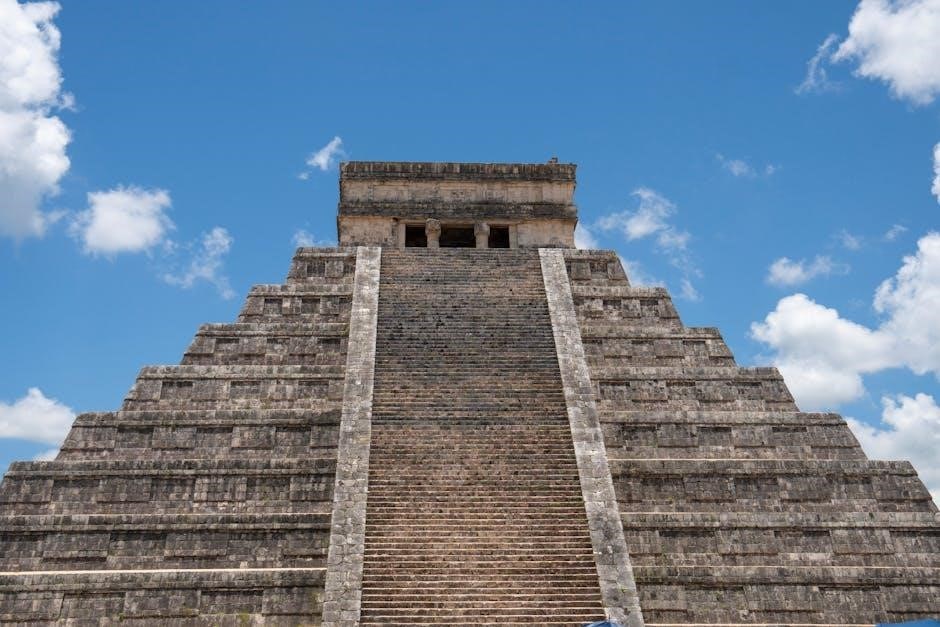
Legacy and Modern Relevance
PDF studies demonstrate enduring influence on contemporary cultures‚ visible in art‚ architecture‚ and agricultural techniques‚ preserving ancestral knowledge and inspiring modern innovation․
Influence on Contemporary Cultures
PDF resources highlight how Maya‚ Aztec‚ and Inca legacies permeate modern societies; their mathematical and astronomical advancements inspire scientific pursuits‚ while artistic motifs influence design․ Agricultural practices‚ like terrace farming‚ inform sustainable methods․ Furthermore‚ understanding their complex social structures provides insights into historical governance and cultural identity‚ fostering appreciation for indigenous heritage․
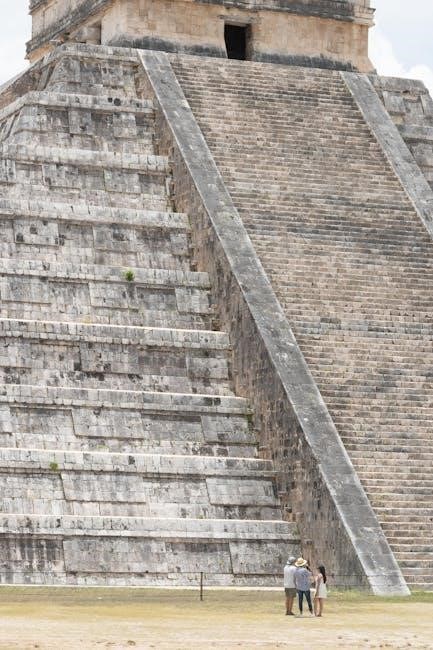
Resources for Further Study (PDFs and Online Materials)
Numerous PDF documents and online resources detail Maya‚ Aztec‚ and Inca civilizations‚ offering academic articles‚ educational websites‚ and comparative charts for in-depth exploration․
Links to Academic Articles and Educational Websites
Explore scholarly articles detailing Mesoamerican and Andean cultures via university databases․ Websites like those offering downloadable PDFs‚ such as week_3_resources‚ provide comparative analyses․ Quora discussions offer diverse perspectives‚ while resources focusing on Indigenous Peoples of the Americas present comprehensive overviews of these civilizations․