costco frozen pretzels cooking instructions

Costco Frozen Pretzels: A Comprehensive Cooking Guide
Discover optimal methods for enjoying Costco’s Brauhaus pretzels! From oven baking at 350-400°F to quick microwaving‚ and crispy air frying—we’ve got you covered.
Costco’s Brauhaus frozen pretzels have become a beloved staple for many‚ offering a convenient and delicious snack option. These jumbo-sized pretzels deliver an authentic soft pretzel experience right from your freezer. However‚ achieving that perfect golden-brown exterior and soft‚ chewy interior requires understanding the best cooking methods.
Many shoppers are discovering that these pretzels aren’t limited to oven baking; quick and easy microwave instructions are also available. Furthermore‚ air frying provides a delightfully crispy alternative. Whether you prefer a traditional bake‚ a speedy microwave solution‚ or an air fryer crunch‚ mastering the preparation – including a light water mist and salt application – is key to unlocking the full potential of these Costco favorites.
Understanding the Product: Size and Quantity
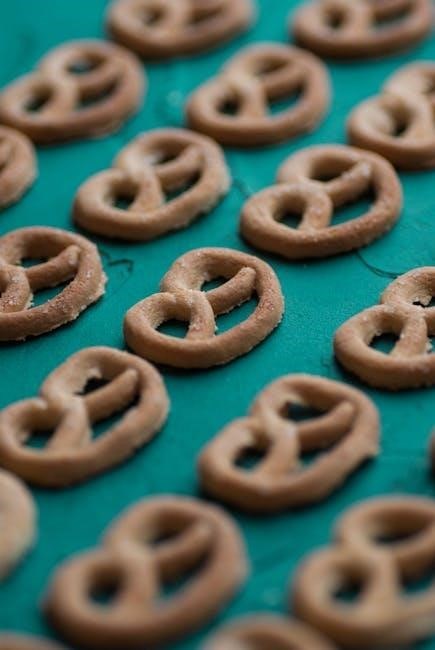
The Costco Brauhaus frozen pretzels are notably large‚ described as “jumbo” sized‚ and typically come in a package containing two substantial pretzels totaling 24 ounces. This generous quantity makes them ideal for gatherings or satisfying a significant craving. Due to their size‚ consistent and thorough cooking is essential.
Understanding the pretzel’s dimensions impacts cooking times across different methods. A larger surface area requires slightly longer baking or air frying to ensure even heating. When microwaving‚ portioning – considering “5-6 bites” per 30-second interval – becomes important; Recognizing the substantial weight and volume helps tailor cooking instructions for optimal results‚ avoiding undercooked centers or overly browned exteriors.
Optimal Cooking Methods Overview
Several methods effectively prepare Costco’s frozen pretzels‚ each offering a unique texture and convenience level. Oven baking‚ at 350-400°F‚ is the standard‚ yielding a traditionally soft interior and golden-brown exterior. For speed‚ microwaving – with a water mist and salt – provides a surprisingly palatable result in short bursts.
Air frying emerges as a compelling alternative‚ promising enhanced crispiness. Regardless of the chosen method‚ a light misting of water prior to cooking is frequently recommended‚ followed by a generous sprinkling of salt. Each technique requires adjusted timings; convection ovens bake faster‚ while microwave power levels influence cooking duration. Experimentation helps pinpoint your preferred method and achieve pretzel perfection!
Oven Baking: The Standard Approach
Oven baking delivers classic pretzel texture. Preheat to 350-400°F‚ mist with water‚ sprinkle with salt‚ and bake for approximately 10-20 minutes for best results.
Preheating the Oven: Temperature Range
Achieving the perfect bake with Costco’s frozen pretzels begins with proper oven preheating. The recommended temperature range for baking these jumbo pretzels falls between 350°F and 400°F. Lower temperatures‚ around 350°F‚ will yield a softer pretzel‚ requiring a longer baking time – approximately 20 minutes.
Conversely‚ preheating to 400°F will result in a crispier exterior‚ but necessitates closer monitoring to prevent burning‚ typically around 8-12 minutes. For convection ovens‚ a slightly lower temperature may be beneficial. Consistent preheating ensures even cooking and optimal texture. Always ensure your oven has fully reached the desired temperature before placing the frozen pretzels inside for best results.
Preparing the Pretzels for Baking: Water and Salt
To enhance the flavor and texture of your Costco frozen pretzels before baking‚ a simple water and salt application is crucial. Lightly misting the frozen pretzel with water creates a surface for the salt to adhere to‚ ensuring even seasoning. Alternatively‚ pressing the pretzel face-down into a bed of salt is also effective.
This step is vital for achieving that classic pretzel taste and slightly coarse exterior. Don’t oversaturate with water‚ as this can lead to a soggy pretzel. A fine spray bottle works best for even distribution. Experiment with different salt types – coarse sea salt provides a delightful crunch!
Baking Time: Conventional Oven Instructions
For baking Costco’s frozen pretzels in a conventional oven‚ preheating is key – aim for a temperature between 350°F and 400°F. Once preheated‚ place the prepared‚ frozen pretzel directly onto a baking sheet. A typical baking time ranges from 20 minutes‚ though this can vary slightly depending on your oven.
Monitor closely after 15 minutes to prevent over-browning. The goal is a golden-brown exterior and a warm‚ soft interior. Some sources suggest around 8-12 minutes at 350°F‚ so checking for doneness is essential. Ensure even cooking by rotating the baking sheet halfway through the baking process.
Baking Time: Convection Oven Instructions
When utilizing a convection oven to bake Costco’s frozen pretzels‚ a slightly reduced baking time is generally recommended due to the enhanced heat circulation. Preheat your convection oven to 350°F. Place the prepared pretzel – lightly misted with water and salted – onto a baking sheet.
Bake for approximately 8 minutes. Convection ovens cook faster‚ so closely monitor the pretzel after 6 minutes to avoid burning. The pretzel is ready when it achieves a golden-brown color. Remember that convection ovens may require a temperature reduction of 25°F compared to conventional ovens‚ but 350°F works well here.
Checking for Doneness: Visual Cues
Determining when your Costco frozen pretzel is perfectly baked relies heavily on visual cues. The most prominent indicator is a rich‚ golden-brown color across the surface. Look for an even browning‚ signifying thorough heating. The pretzel should appear slightly puffed up‚ indicating internal expansion from the heat.
Avoid relying solely on time; oven variations exist. Gently press the pretzel – it should feel firm‚ but not rock-hard. If it’s still soft or doughy‚ continue baking for another minute or two‚ checking frequently. A beautifully browned exterior generally corresponds to a warm‚ soft interior‚ ready for enjoying with your favorite dips!
Microwave Cooking: A Quick Alternative
For a speedy snack‚ microwave the frozen pretzel after lightly misting with water and sprinkling with salt; 30 seconds per 5-6 bites is ideal.
Microwave Power Level and Time Guidelines
Microwaving Costco’s frozen pretzels offers a remarkably quick solution when oven baking isn’t feasible. However‚ achieving the best texture requires understanding power levels and timing. Generally‚ utilize a medium power setting – around 50% to 70% – to prevent the pretzel from becoming overly chewy or rubbery.
Cooking time is directly related to the number of pretzel “bites” or sections. A common guideline suggests approximately 30 seconds of microwaving for every 5-6 bite-sized pieces. It’s crucial to monitor closely‚ as microwave wattages vary. Start with a shorter time‚ around 20 seconds for a few bites‚ and add 10-second increments until warmed through. Remember to always apply water and salt before microwaving for optimal results!
Avoid prolonged cooking‚ as this can lead to a tough‚ undesirable texture.
Water Application for Microwave Cooking
Applying water to the frozen pretzels before microwaving is a surprisingly crucial step for achieving a soft‚ authentic pretzel texture. The water creates steam during the microwaving process‚ helping to rehydrate the exterior and prevent it from becoming excessively hard or dry.
Simply splash or lightly mist each frozen pretzel section with water. A spray bottle works exceptionally well for even distribution. Don’t saturate the pretzel; a light coating is sufficient. This moisture‚ combined with the microwave’s heat‚ mimics the traditional boiling step in pretzel making.
Following the water application‚ immediately sprinkle with salt. The damp surface allows the salt to adhere effectively‚ ensuring a flavorful bite. This technique significantly enhances the overall microwave experience.
Salt Application for Microwave Cooking
Proper salt application is key when microwaving Costco’s frozen pretzels‚ as it directly impacts the final flavor profile. The best practice is to apply the salt immediately after the water has been applied. The slight moisture creates a perfect adhesive surface for the salt crystals to cling to.
Coarse pretzel salt is ideal for replicating the authentic taste and texture. However‚ standard table salt can also be used in a pinch. Sprinkle the salt generously‚ ensuring even coverage across the pretzel’s surface. Don’t be shy – these large pretzels can handle a substantial amount of seasoning!
Pressing the pretzel face-down into a bed of salt is another effective method for maximum coverage. This ensures a consistently salty and satisfying snack.
Air Fryer Method: For a Crispier Texture
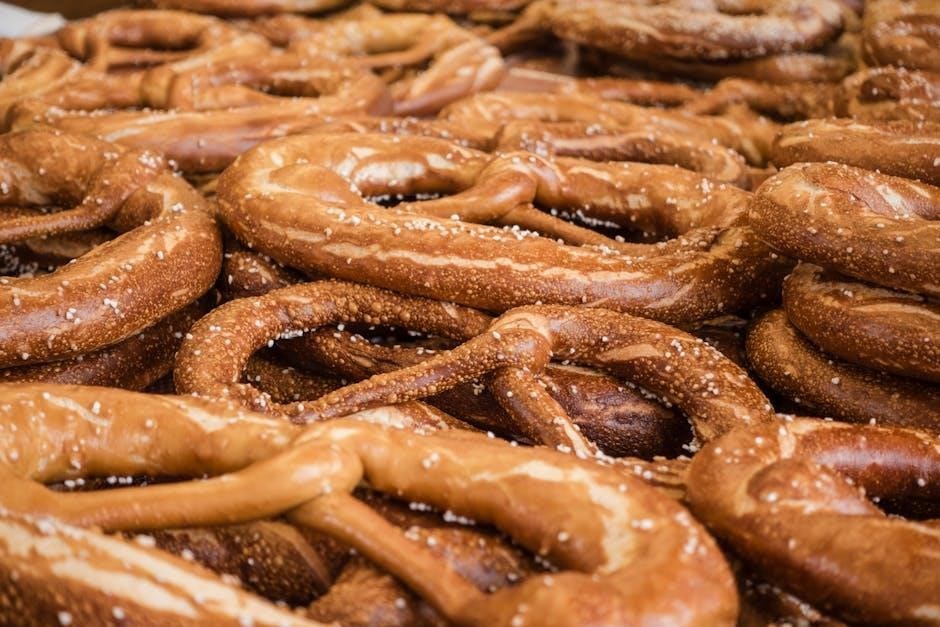
Achieve ultimate crispiness! Air frying Costco’s pretzels delivers a delightful crunch. Prepare for a faster cook time and superior texture compared to oven baking.
Air Fryer Temperature and Time Settings
For perfectly cooked Costco Brauhaus pretzels in your air fryer‚ begin by preheating to 350°F (175°C). This ensures even heating and optimal crisping. Place the frozen pretzels in the air fryer basket in a single layer‚ avoiding overcrowding for best results.
Cook for approximately 6-8 minutes‚ flipping halfway through to guarantee uniform browning and texture. Keep a close watch during the final minutes‚ as air fryers can vary. Adjust the time slightly based on your specific model and desired level of crispness. Remember‚ these pretzels are substantial in size‚ so a little experimentation may be needed to find your sweet spot!
Consistent monitoring is key to preventing burning while achieving that desirable golden-brown exterior.
Pre-Treatment for Air Frying: Water and Salt
Before air frying your Costco Brauhaus pretzels‚ a simple pre-treatment step dramatically enhances their flavor and texture. Lightly mist the frozen pretzel with water – a spray bottle works perfectly. This creates steam during cooking‚ contributing to a softer interior.
Immediately after misting‚ generously sprinkle with coarse salt. Alternatively‚ for even coverage‚ gently press the pretzel face-down into a bed of salt. This ensures a satisfying salty bite in every mouthful. Don’t be shy with the salt; these large pretzels can handle it!
This water and salt combination is crucial for replicating the authentic soft pretzel experience when using an air fryer.
Achieving Optimal Crispiness in the Air Fryer
To unlock maximum crispiness with your Costco frozen pretzels in the air fryer‚ precise temperature and timing are key. Begin by preheating your air fryer – this ensures even cooking. A temperature range of 350-400°F generally yields excellent results‚ but start at 350°F to prevent burning.
Air fry for approximately 6-10 minutes‚ flipping halfway through. Monitor closely‚ as air fryers vary. The goal is a golden-brown exterior and a warm‚ soft interior. Avoid overcrowding the air fryer basket; work in batches if necessary for optimal air circulation.
For extra crispness‚ increase the temperature slightly during the last 2-3 minutes of cooking.
Salt Variations and Additions
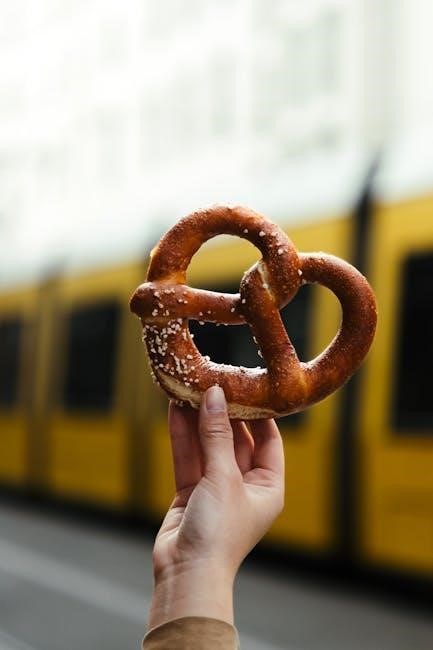
Elevate your pretzel experience! Explore beyond traditional salt with garlic powder‚ parmesan cheese‚ or create custom seasoning blends for a unique flavor profile.
Beyond Traditional Salt: Exploring Flavors
While coarse salt is classic‚ don’t limit your Costco pretzel enjoyment! Consider a sprinkle of garlic powder for a savory kick‚ or experiment with onion powder for a subtle sweetness. Parmesan cheese offers a delightful umami boost‚ transforming the pretzel into an Italian-inspired treat.
For spice lovers‚ a dash of cayenne pepper or paprika adds a pleasant warmth. Everything bagel seasoning is another fantastic option‚ providing a complex blend of flavors. Don’t be afraid to get creative and mix your own blends – a combination of garlic powder‚ parmesan‚ and a pinch of red pepper flakes can be incredible! Pre-made seasoning blends designed for pretzels are also readily available‚ offering convenience and exciting flavor combinations.
DIY Pretzel Seasoning Blends
Crafting your own pretzel seasoning is surprisingly easy and rewarding! Start with a base of coarse salt and build from there. For a “Spicy Cheddar” blend‚ combine 2 tablespoons salt‚ 1 tablespoon cheddar cheese powder‚ ½ teaspoon paprika‚ and ¼ teaspoon cayenne pepper.
A “Garlic Herb” blend could include 2 tablespoons salt‚ 1 tablespoon dried parsley‚ 1 teaspoon garlic powder‚ and ½ teaspoon dried rosemary. “Everything But the Bagel” can be replicated with 2 tablespoons salt‚ 1 tablespoon sesame seeds‚ 1 tablespoon poppy seeds‚ ½ tablespoon dried garlic‚ and ½ tablespoon dried onion. Mix thoroughly and store in an airtight container. Experiment with ratios to find your perfect pretzel seasoning!
Troubleshooting Common Issues
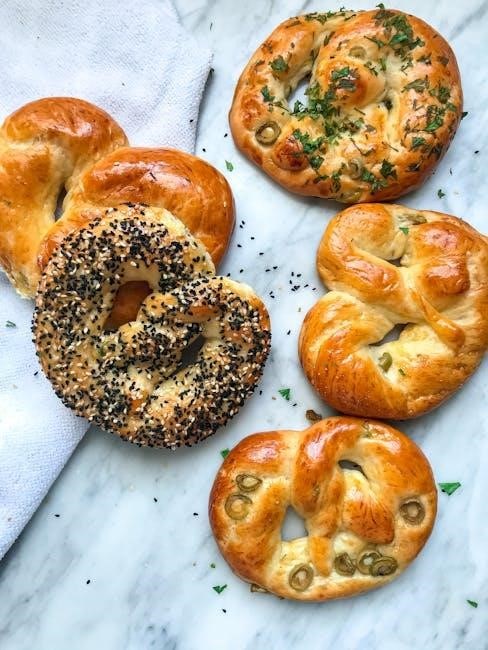
If pretzels aren’t browning‚ increase baking time or temperature. For hardness‚ reduce baking duration. Uneven cooking? Rotate the baking sheet during the process.
Pretzels Not Browning Enough
Encountering pale pretzels despite following instructions? Several factors could be at play. First‚ ensure your oven is accurately preheated to the recommended 350-400°F. A lower oven temperature directly impacts browning. Secondly‚ consider extending the baking time by a few minutes – a slight increase can make a noticeable difference.
Additionally‚ lightly misting the frozen pretzel with water before baking is crucial‚ as it aids in Maillard reaction‚ responsible for browning. Ensure even water coverage. If using a convection oven‚ reduce the baking time slightly‚ as convection ovens generally cook faster and can sometimes prevent optimal browning if left too long. Finally‚ avoid overcrowding the baking sheet; allow space for air circulation.
Pretzels Too Hard or Dry
If your Costco Brauhaus pretzels emerge from the oven feeling excessively hard or dry‚ overbaking is the most likely culprit. Reduce your baking time‚ especially when using a conventional oven. Start checking for doneness a few minutes before the recommended time.
Microwaving can also contribute to dryness if overdone; adhere to the suggested 30-second intervals per 5-6 bites. Remember that a quick splash of water before cooking is vital – it introduces moisture. For air frying‚ lower the temperature slightly or shorten the cooking duration. Storing leftover pretzels in an airtight container with a small piece of bread can help retain moisture.
Uneven Cooking
Experiencing uneven cooking with your Costco frozen pretzels? This often stems from inconsistent heat distribution within your oven or air fryer. Ensure your oven is properly preheated and calibrated. When baking‚ rotate the baking sheet halfway through the cooking process to promote even browning.
For air frying‚ avoid overcrowding the basket; work in batches if necessary. Consistent water application and salt distribution are also key. Lightly misting or sprinkling evenly across the entire pretzel surface helps. If using a microwave‚ ensure the pretzel isn’t touching the sides‚ allowing for uniform microwave penetration.
Serving Suggestions and Pairings
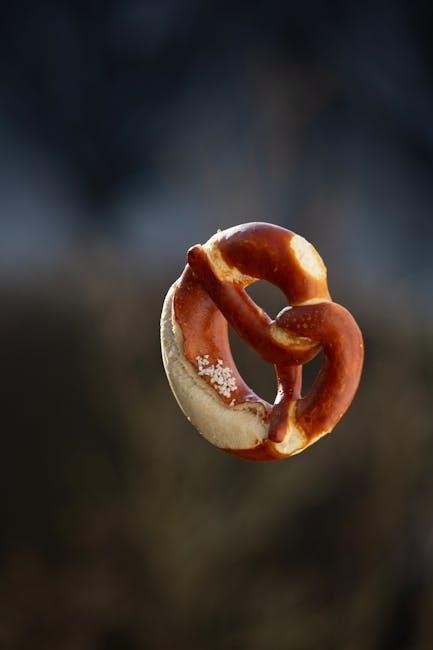
Enjoy your perfectly cooked pretzels with classic dips like cheese‚ mustard‚ or a flavorful beer cheese! They’re ideal as a snack or appetizer.
Dipping Sauces: Cheese‚ Mustard‚ and More
Elevate your Costco pretzel experience with a delightful array of dipping sauces! Classic cheese sauces‚ ranging from cheddar to beer cheese‚ provide a rich and comforting pairing. For a tangy kick‚ explore various mustards – spicy brown‚ honey mustard‚ or even a Bavarian sweet mustard complement the pretzel’s flavor beautifully.
Beyond these staples‚ consider experimenting with other options. A creamy ranch dip‚ a zesty queso‚ or even a sweet cinnamon cream cheese spread can offer exciting contrasts. Don’t underestimate the simplicity of a good honey mustard combination! Ultimately‚ the best dipping sauce is the one that satisfies your personal preference‚ enhancing the enjoyment of these delicious pretzels.
Pretzels as a Snack or Appetizer
Costco’s frozen pretzels are incredibly versatile‚ perfect for both a quick snack and a crowd-pleasing appetizer. Enjoy them straight from the oven (or microwave!) for a satisfying individual treat any time of day. For gatherings‚ arrange the warm pretzels on a platter with a selection of dipping sauces – cheese‚ mustard‚ and even sweet options – to create an inviting spread.
Consider pairing them with a cold beverage‚ like beer or soda‚ for a complete experience. Their substantial size makes them filling‚ while their soft texture and salty flavor keep everyone coming back for more. They’re a guaranteed hit at parties‚ game nights‚ or casual get-togethers!